
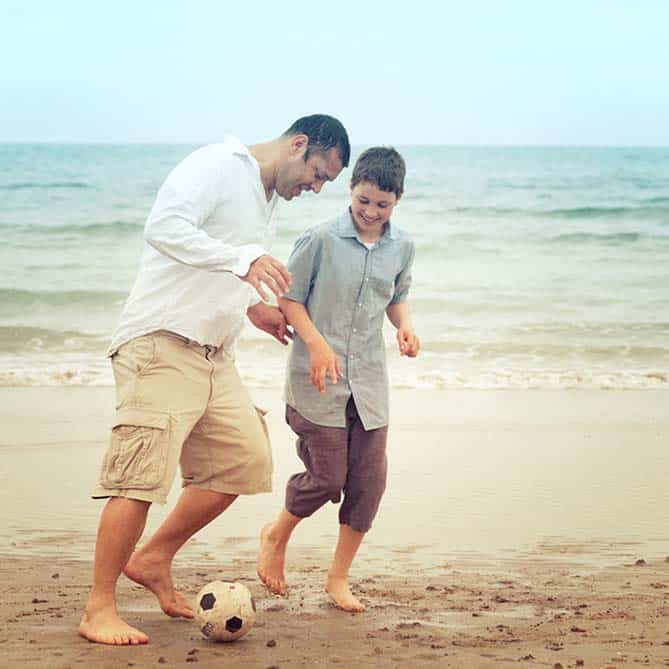
In a time where a ‘fatherless boy culture’ becomes more prevalent, the presence of fine men who can guide, support and lead is paramount. The dearth of male teachers in schools and preschools, as well as a deficiency of educated and professional men employed in mental health and rehabilitation, can instigate unhealthy behaviour in young males during their formative years.
Today a large extent of our formal education is facilitated by women. Women teach using information and illustrations and employ the inclusion of trust. Women blend respect, caring and gentleness into boy’s learning. This experience is fundamental, valuable, and informative; however women will agree it is extremely challenging to teach boys how to establish a confident approach to masculinity.
Traditionally, boys learn competitiveness, self control, pushing boundaries, accountability, manners and accepting responsibility from dependable men. Men conventionally apply a more hands on approach and offer logic, wisdom, life skill and practical expertise. By working collaboratively, people can educate boys to accept and apply respectful, informed ways to communicate and express heartfelt feelings and emotions without fear, shame or guilt.
Generally speaking, boys tend to adopt the legacy of learning from their dad. Lessons passed down through the generations are often viewed as essential components of manhood. By spending time and hanging out in the company of men of character, boys adopt and practice positive male attributes from these men. Boys learn to compete with other boys and gain appreciation and respect from men by way of their accomplishments, goals, success and achievements. (Bergman, 1995)
Empirical research presents a clear picture of the vital part a balanced man plays in a young boy’s life. Research specifies how young men are far more likely to avoid destructive behaviours when they have at least one caring and consistent man in their life. It is essential to acknowledge the vast amount of current study conducted by people who demonstrate a special interest in the lives of boys. (See references.)
The shifting communal role required of men today can call on boys to discover and own their individual areas of sensitivity. The loss of a biological father will be always felt; boys learn to deny a big part of their persona and can shut down as pain develops. Emotional hiding can lead to an inability to trust, resulting in undisclosed sadness.
“Men’s traumatic experience of abandonment in early childhood, though not consciously remembered, forever casts a shadow on their relationships” Pollack, (1998, PP, 155-156)
Boys need a safe place to explore feelings such as loss, sadness, abandonment, grief and insecurity. If a much-needed sanctuary is not available, feelings of resentment, anger, distrust and shame appear and can take up residency in a boy’s life. A new blueprint then forms to shape identity, structure his personality and influence a boy’s sense of self-reliance and decision making. Young men may discover a culture of safety, respect and a sense of family within brotherhood gangs and groups.
Men, who assume a position where they lead by example, guide, teach and demonstrate, will permit young men to experience the important aspects of a masculine role. This teaching shows up particularly well in cultural role expectations and social order.
Boys want men to be available, to show up and speak openly and honestly. Respect is easily earned with men who model behaviour such as keeping their word and demonstrating leadership. Boys can quickly figure out when a person is not authentic or genuine; they view insincerity as unacceptable and offensive. They will respond best to sincere men who willingly share activities such as working on projects, playing a musical instrument, debating, playing chess, cricket, tennis or football. Good men, who feel OK about listening to young men’s music, who attend music concerts, or share a night with younger men’s movie choices, help boys to develop healthy lifestyles and enduring self-respect. (Robertson & Shepard,2008)
Moving further into a culture where many boys will experience the lack of a consistent, available and responsible biological father, it can become everyone’s responsibility to assist young men to develop into positive, honourable and reliable adults. Learning to acknowledge and welcome a vast range of feelings throughout adolescence enables boys to assume the importance of communicating their confusion and concern, without fear of ridicule.
In recent conversations with male therapists and diligent men, the following ideas may prove useful.
- Speak to young men about their competencies and strengths and avoid using phrases like “What have you done now?”, “I am so disappointed in you”, “If you keep doing that you will amount to nothing”, or “You are wasting your life”.
- Try listening as opposed to telling. Young men like to be taken seriously and respond well to people tuning in to their ideas and thoughts.
- Use patience and wait until the time is right for a young man to speak. Insisting on untimely conversations infers boys do not have rights. Boys do not like to be pushed into conversations they are not ready for.
- Find a safe space where young men can open up and share personal conversations. Boys will often disclose feelings in less restricted areas.
- Congratulate young men when they decide to face their problems, let them know you respect their decision to do so.
- Speak up about things that matter; advocate for a credible and visible male presence in our schools and preschools.
- Encourage older men to become mentors for younger men. Nothing compares to the experience and wisdom of an older man’s meaningful life.
- Teach boys that it is OK to show and express emotion and model respectful, caring and loving treatment towards women.
- Demonstrate compassion and kindness to animals.
- Help boys to demonstrate compassion towards our planet by instilling integrity into everyday living.
- Create healthy principles and habits and assist boys to remain true to their core values. (Adapted, Robertson & Shepard, 2008.)
Levant (1995) shares his thoughts on masculinity.
” A man’s willingness to set aside his own needs for the sake of his family; his ability to withstand hardship and pain to protect others; his tendency to take care of people and solve their problems as if they were his own; His ways of expressing love by doing things for others; his loyalty, dedication and commitment; his stick-to-it-ive-ness and will hang in until a situation is corrected; and his abilities to solve problems, think logically, rely on himself, take risks, stay calm, and assert himself;” (p.232)
Data reveals that all boys very much want to become good men. And we all play our part in this. Mentoring and guidance assists boys to become good men. With our help they can begin their journey towards finding a peaceful heart.
References:
Bergman, S.J.(1995). Men’s psychological development A relational perspective, In Robertson, J.M. and Shepard, D.S.(2008) The Psychological Development of boys. Routledge; New York
Levant, R.F. (1995). Toward a reconstruction of masculinity. In Robertson, J.M. and Shepard, D.S.(2008) The Psychological Development of boys. Routledge; New York.
Mc Cann, R. (2000). On their own. Finch Printing: Sydney.
Pollack, W.S. (1998). Real boys: rescuing our sons from the myths of boyhood. New York: Henry Bolt.
Kiselica, M.S. Carlson, M.E. & Horne, A.M. (2008) Counselling Troubled Boys, A guidebook for professionals. Routledge: New York.


A great article and so true
So many boys and men lack the positive role modelling from other men or are undsuly influenced by negative modelling from sporting heroes or unethical politicians or business leaders
Thank you for a lovely focus on the beautiful things that good men offer not only young boys, but women, both young and older, and indeed their mates. A beautiful reminder of these male gifts for all of us!